DIY Sustainable Agriculture
Sustainability Facts
Predictions
John Kerry warned in 2023 that carbon neutral goals cannot be achieved without changes to agriculture. That should be our cue that changes are coming whether we like or or not.
Eating Healthy
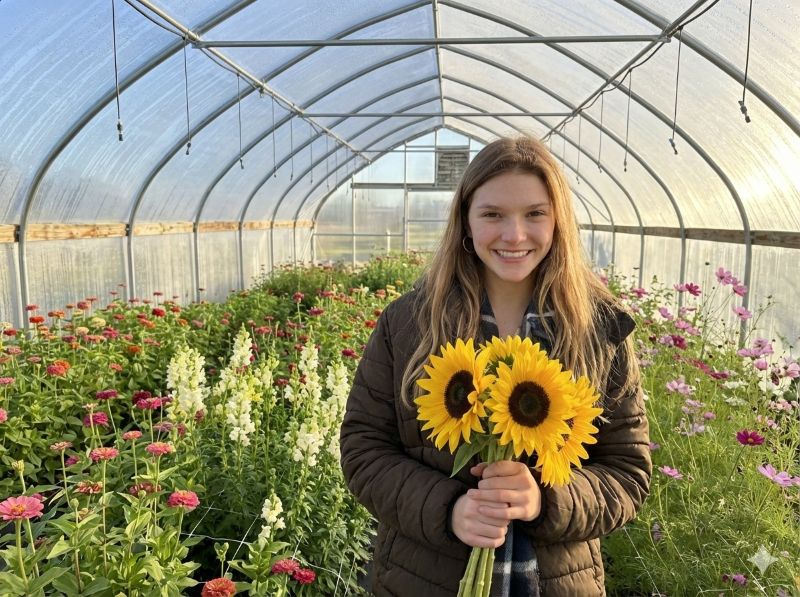
RFK Jr has rightfully stated that nothing matters more for health and physical stability than consuming real food. There's no better way to get real food than by growing it yourself.
Fossil Fuels
Elon Musk refers to the continued use of fossil fuels as the "dumbest experiment in history." Greenhouses can completely eliminate the need for fossil fuels in food production.
Safety
Stalin's forced famine in Ukraine was a deliberate act to crush resistance to government power by starving the population. Local greenhouse grown food will keep us from being vulnerable.
Independence
President Trump has stated that we can no longer have "reliance on foreign goods and resources—America will once again be self-sufficient." The US goal is "protecting our food supply"
Grants
The US Government has released funds for USDA backed grants to help American families purchase greenhouses. This has given the US population the opportunity to be food independent again.
Waste
Plastic packaging waste is a huge and unsustainable source of pollution and is completely eliminated by local food production within quality Catchsunlight greenhouses.
Sequestration
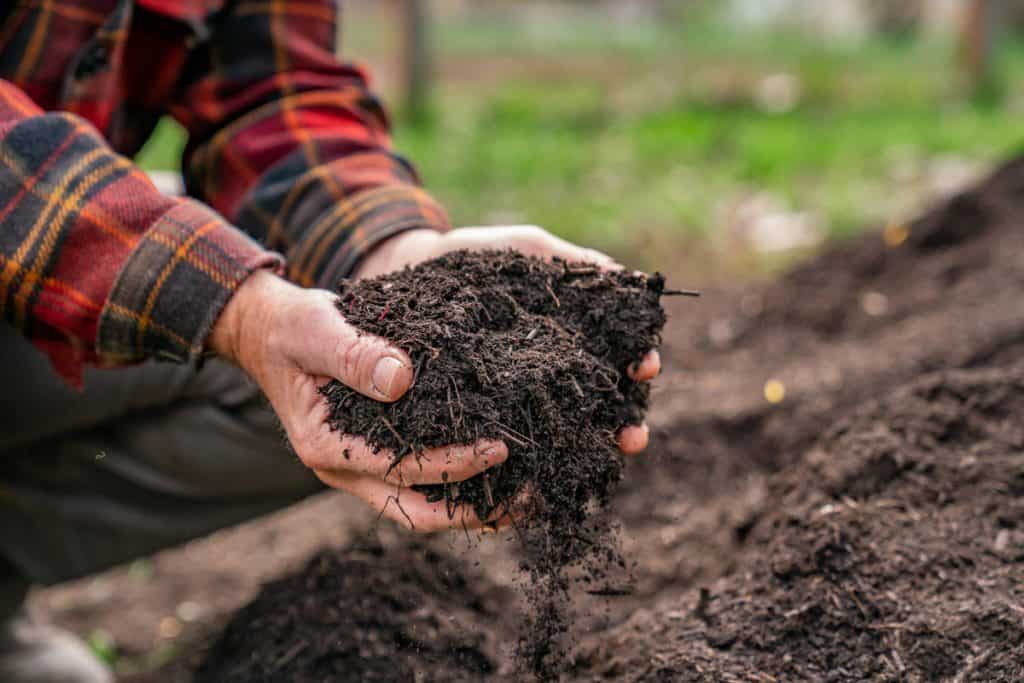
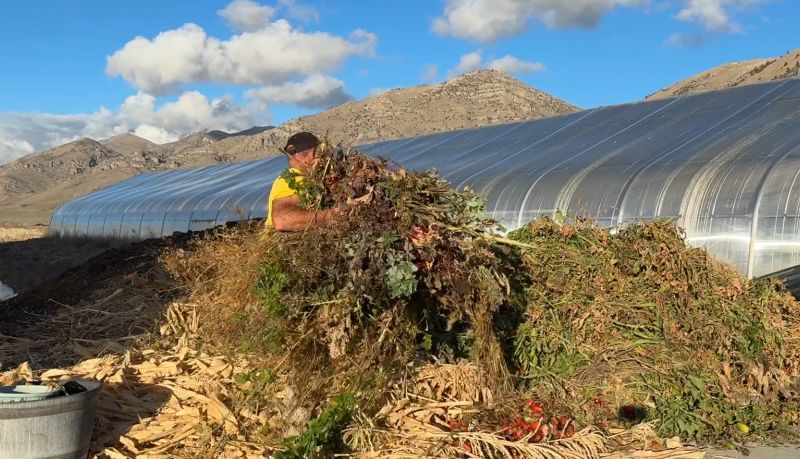
Agriculture is unique among industries as it can shift from generating 1/4 of global CO2 emissions to becoming carbon-negative through the adoption of no-till farming and composting.
CatchSunlight is Sustainble
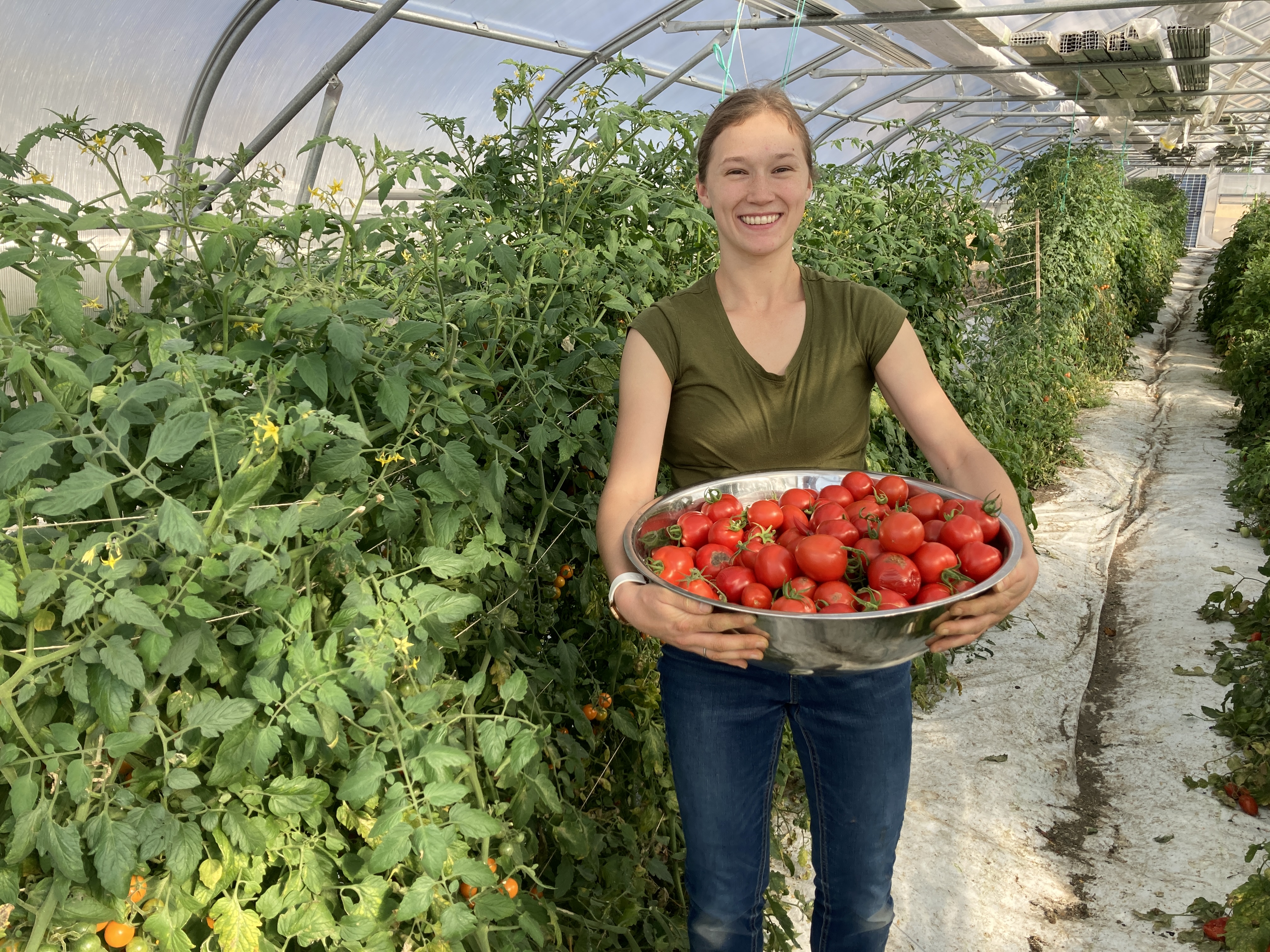
All the energy required to sustain a technologically advanced society ultimately originates from the sun. The challenge lies in learning how to capture and store that energy efficiently. Greenhouse-based food production represents one of the most effective and accessible ways to harness sunlight.
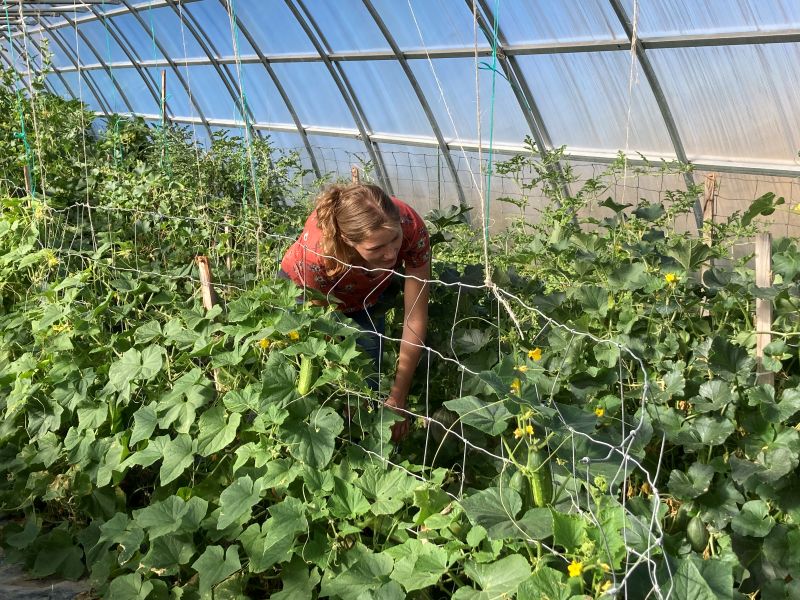
We have demonstrated this approach through the operation of 13,000 square feet of greenhouse space specifically designed to test and refine innovations in agricultural sustainability. Our systems rely on natural ventilation for cooling, employ sustainable no-till farming practices, and incorporate advanced water-use designs that reduce overall consumption to levels that are difficult to achieve through conventional methods.
Although our greenhouse property has access to a power pole, we have intentionally chosen not to connect to the electrical grid. Instead, we have developed solar-based microgrids that integrate innovative methods for capturing and storing solar energy to meet the electrical demands of our entire farming system. Our greenhouses are manufactured using 100% solar power, and we rely on no fossil fuels beyond limited local transportation. We do not use tractors; rather, our greenhouse systems are designed to be manually operated and, where feasible, automated using solar energy.
Catchsunlight is not driven solely by profit, though financial viability remains an important consideration. Our primary objective is to leverage free-market principles to reduce unsustainable dependencies by designing affordable, durable greenhouse systems. These systems empower customers to achieve food independence, sustainability, and improved health—while simultaneously contributing to a nationwide reduction in carbon emissions.